





Loading... Please wait...
Morlife Swish
My Account
+61 7 5571 7744

Antioxidants


antioxidants-image.jpg          


Did you know your body is constantly encountering free radicals; even basic physiological functions like digestion produce these damaging particles as a by-product. Free radicals are continuously being produced in the body and come from a variety of different sources including pollution, chemicals, alcohol, medications and strenuous exercise.

If free radicals are allowed to run rampant in the body they can cause cellular damage paving the way to illness, disease and premature aging. The only defence the body has against free radicals is with Antioxidants. Antioxidants are vital for cell protection, as they help to neutralise free radicals.

What are antioxidants?

Antioxidants are compounds in foods that neutralise free radicals by donating an electron. Antioxidants scavenge the free radicals from the body cells, and prevent or reduce the damage caused by oxidation.

The main antioxidant nutrients include glutathione, carotenoids, selenium, CoQ10, vitamin C, A and E and some phenolic compounds.

When antioxidants neutralize free radicals they need to be regenerated to continue carrying out this important function.

Nutrients critical for nutrients to regain function:

  • Vitamin E requires ascorbate (vitamin C), CoQ10 and GSH (reduced form of glutathione)
  • Vitamin C requires NADH (B3), dihydrolipoic acid, GSH and thioredoxin
  • Glutathione requires glutathione reductase (+FAD (B2)) and dihydrolipoic acid
  • CoQ10 requires dihydrolipoic acid and thioredoxin (+FAD and selenium)


This is why functional foods are important, giving a singular nutrient for this purpose will inadequately supply the nutrients required for the regeneration of the antioxidant. Furthermore, functional foods, fruits and vegetables offer a range of antioxidant phytochemicals.


Free radicals

Free radicals are produced during normal physiological functions such as energy production and immune reactions and by exogenous sources such as pollution, x-rays and UV radiation. The process of oxidation in the human body damages cell membranes and other structures including cellular proteins, lipids and DNA. When oxygen is metabolised, it creates ‘free radicals’ which steal electrons from other molecules, causing damage.

Free radicals are formed when a molecule is left with an unpaired electron. Free radicals are very unstable and react quickly with other compounds, trying to capture the needed electron to gain stability. Free radicals then attack the nearest stable molecule, "stealing" its electron. When the "attacked" molecule loses its electron, it becomes a free radical itself, beginning a chain reaction. Once the process is started, it can cascade, finally resulting in the disruption of a living cell.

Antioxidants neutralize free radicals by donating one of their electrons, ending this electron-"stealing" reaction. The antioxidant nutrients themselves don’t become free radicals by donating an electron as they are stable in either form. They act as scavengers, helping to prevent cell and tissue damage that could lead to cellular damage and disease.

Damage caused by free radicals contributes to aging and the development of diseases. They damage lipid membranes, DNA, protein structure, red blood cells (cause hemolysis and destroys cells) and radicals give rise to more radical’s thus increasing damage potential.


Reactive species

A variety of species are generated daily throughout the body. They can be classified as reactive oxygen species (ROS) and reactive nitrogen species (RNS) and can be both oxygen (O2) containing radical and non-radicals. These variations of reactive species are produced via different stimuluses. For example the hydroxyl radical is produced when the body is exposed to γ-rays, these rays split H2O in the body to form this ROS radical.


What causes Free Radicals?

  • UV light (sunlight)
  • Pollution (car fumes, factory fumes)
  • Herbicides (from unwashed fruits and vegetables)
  • Synthetic chemicals (general household cleaners)
  • Cigarette smoke (including second hand smoke)
  • Alcohol
  • Medications
  • Radiation (X-rays, irradiated foods)
  • Illnesses and infections
  • Heavy metals
  • Strenuous exercise
  • Breathing
  • Digesting your food


Food sources of antioxidants

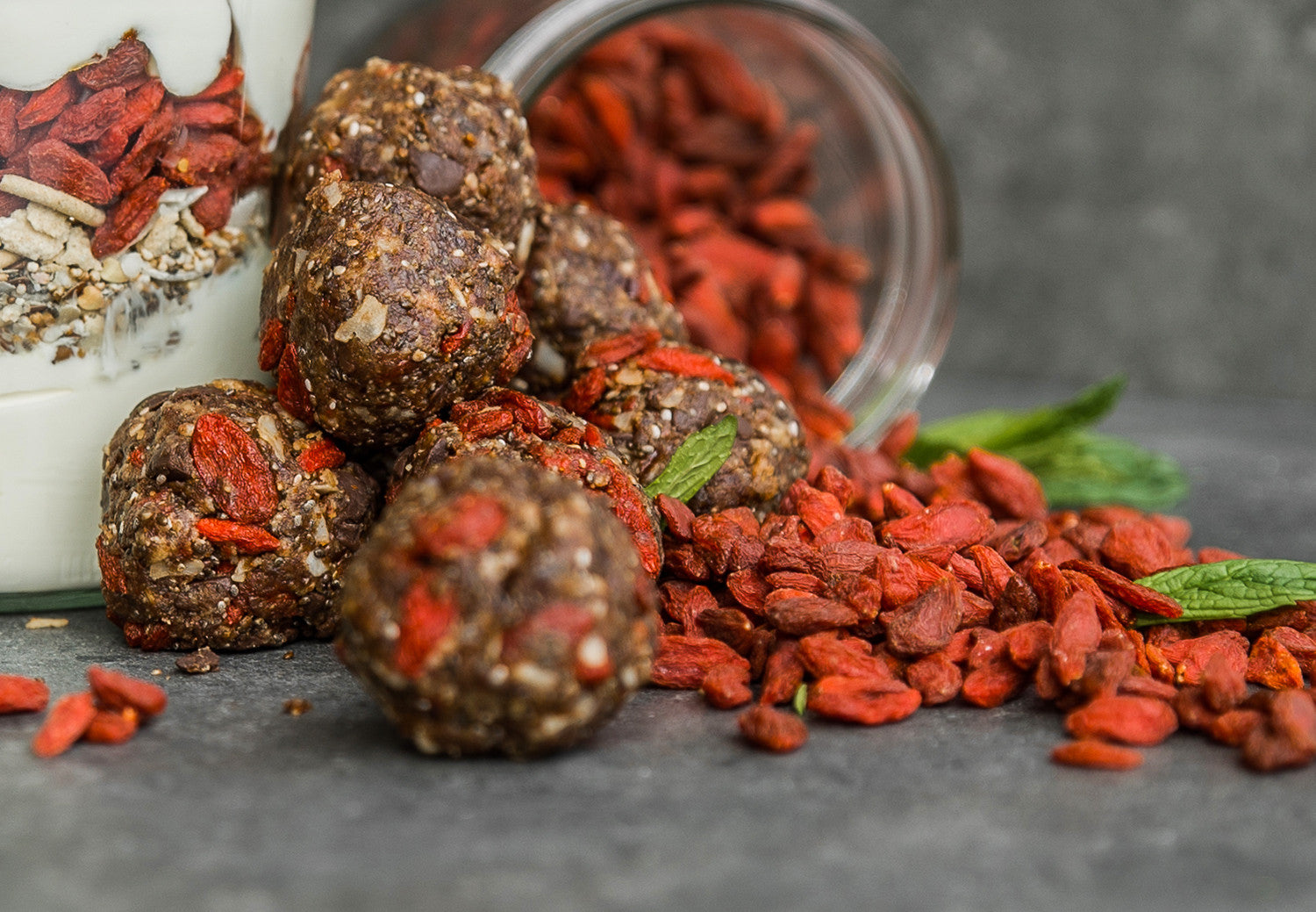
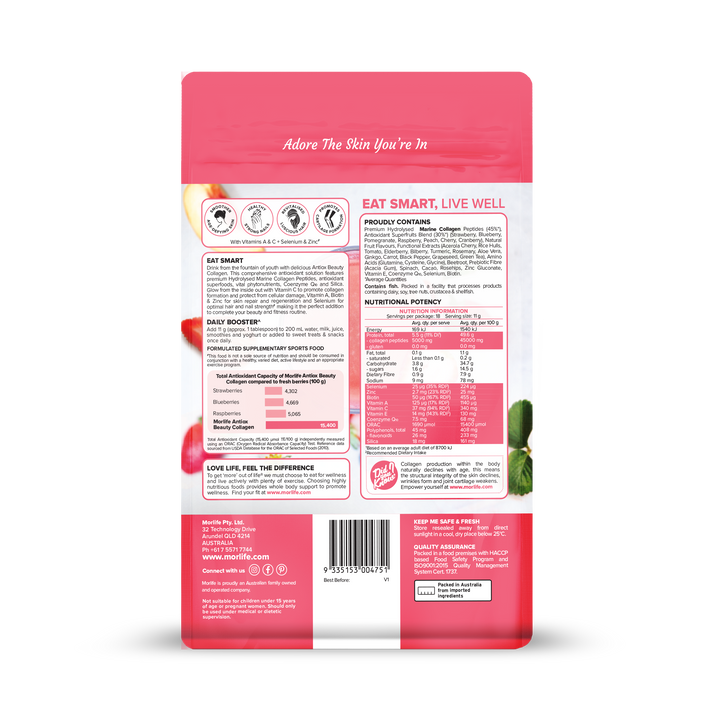
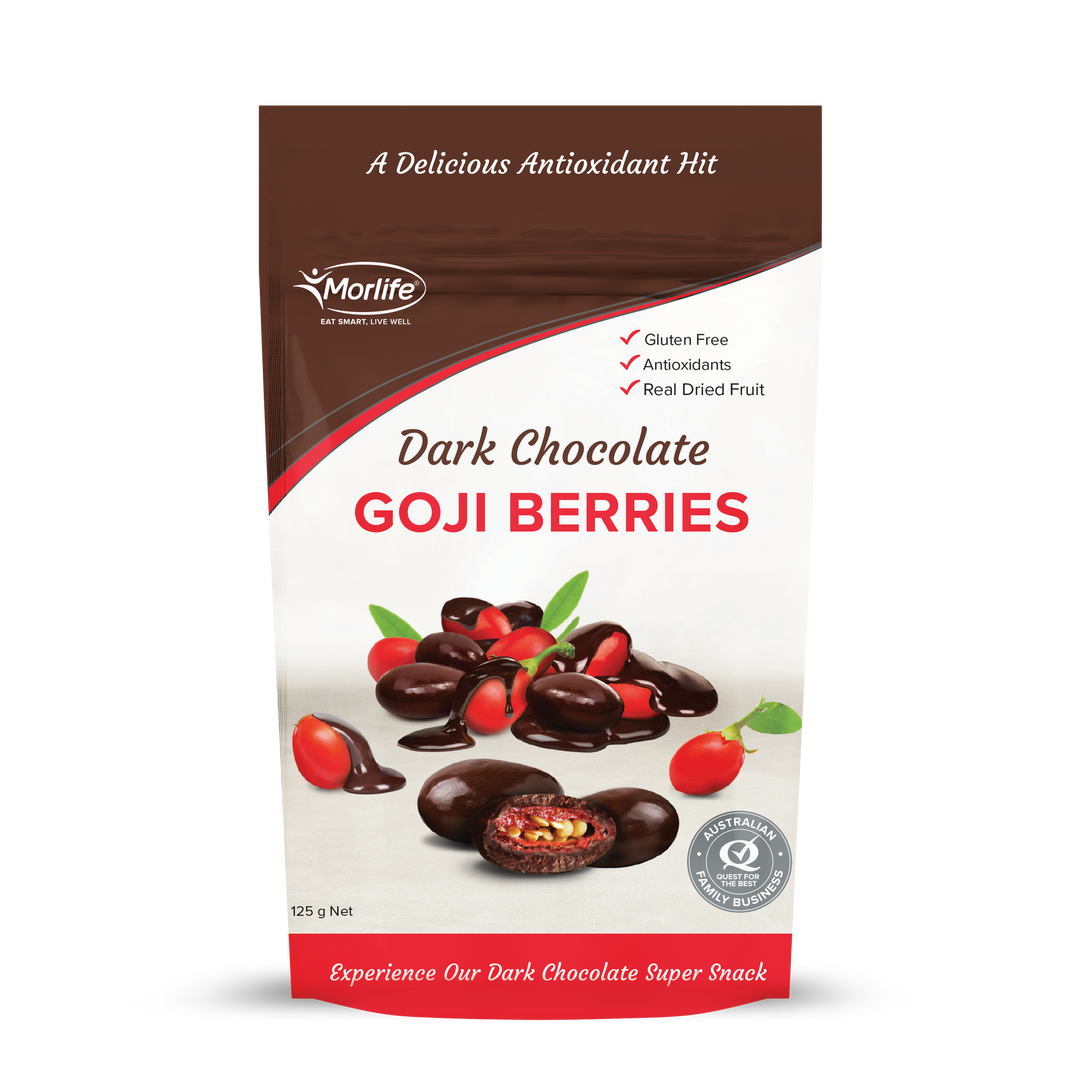
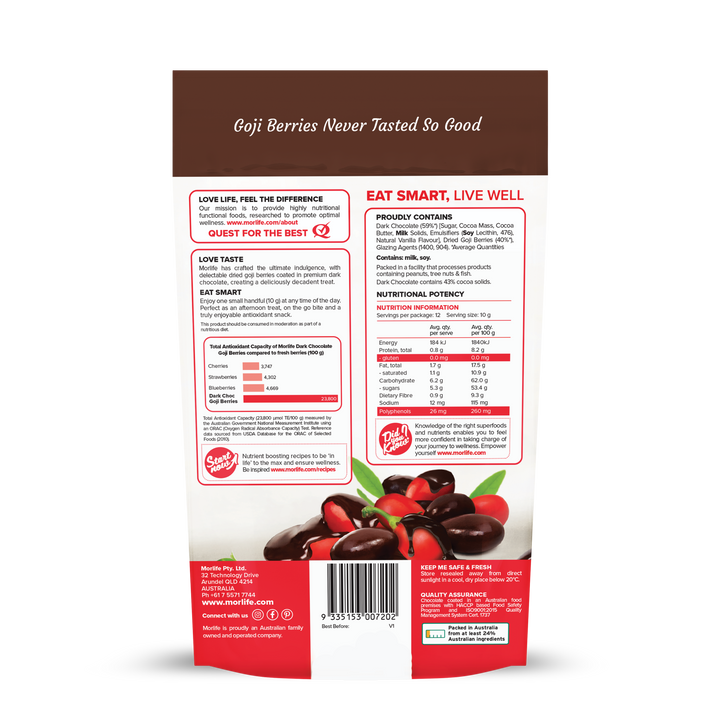
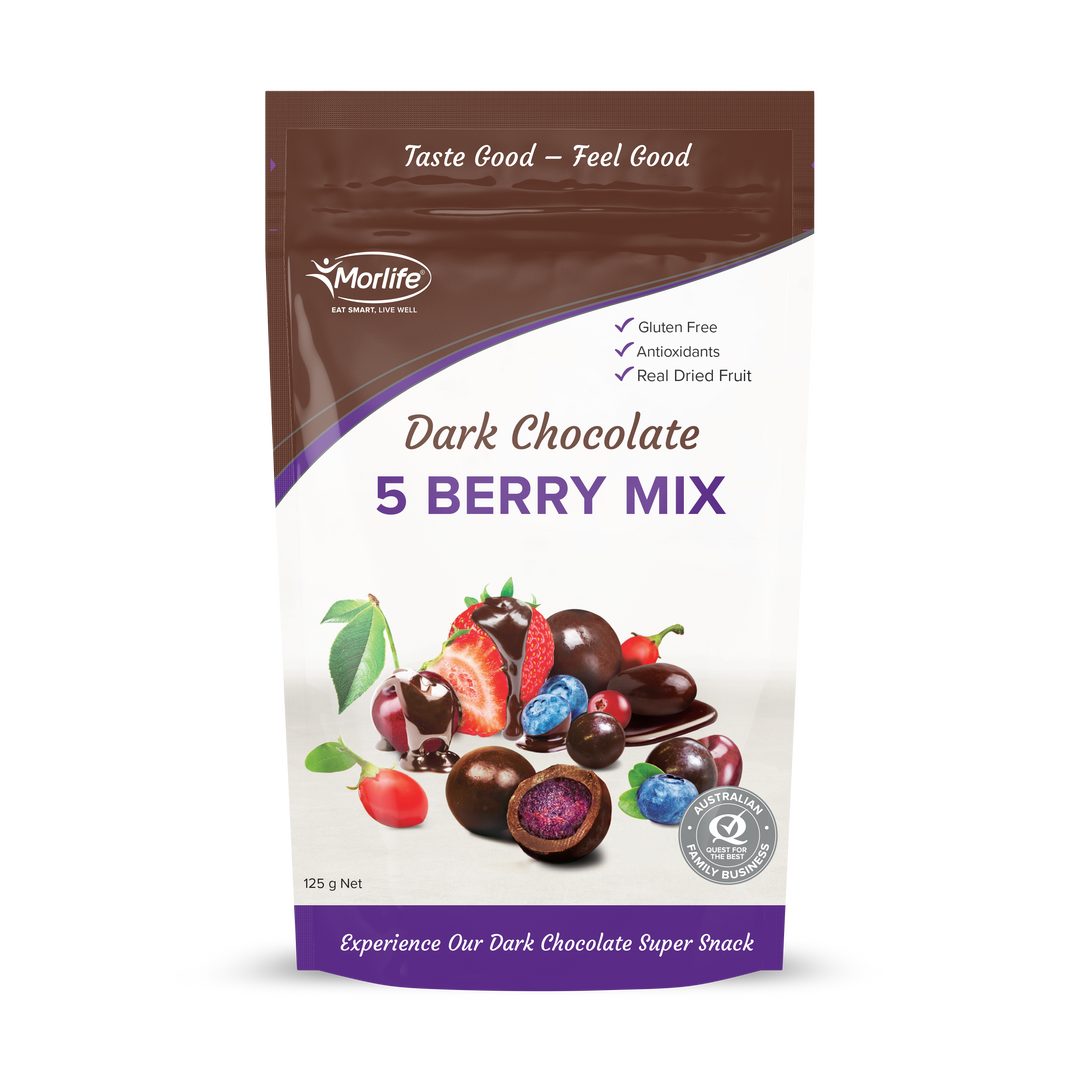
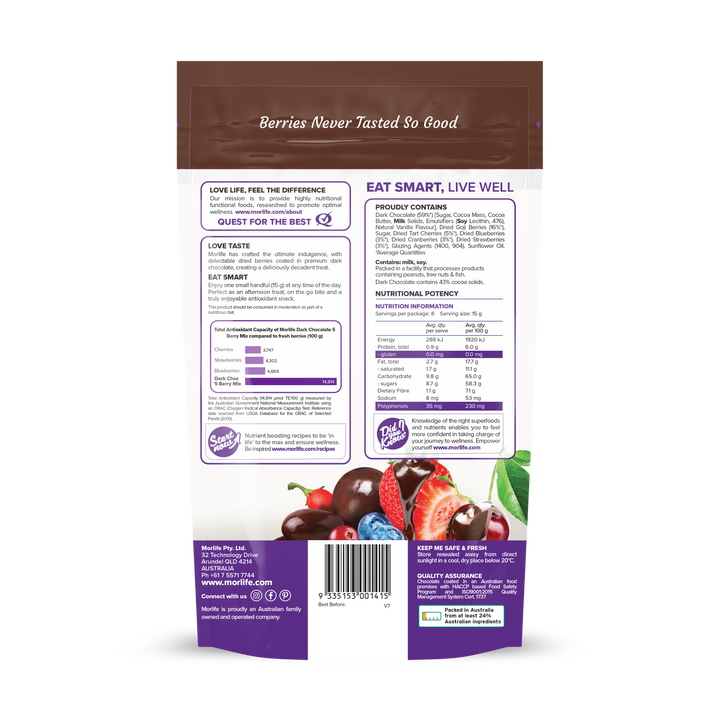
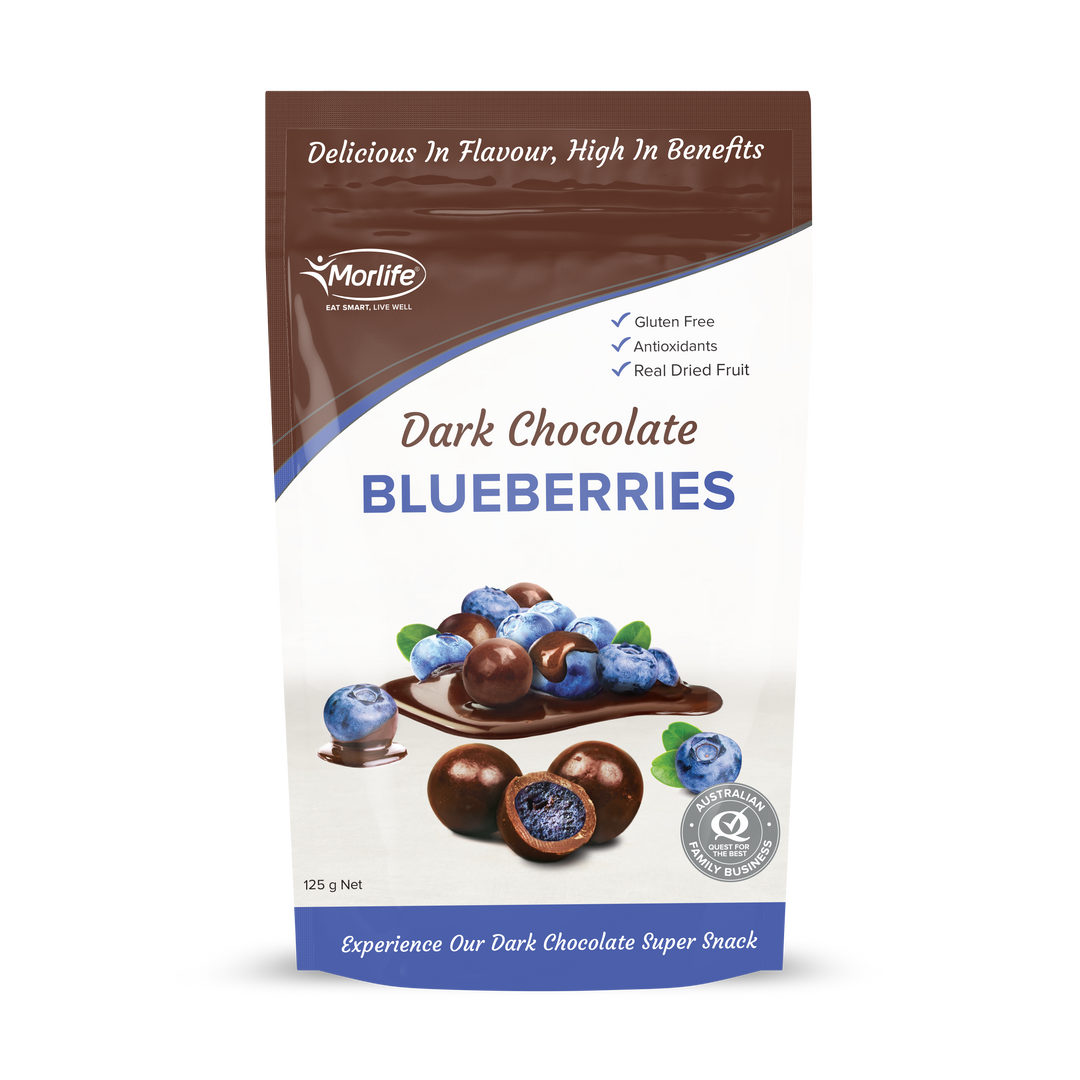
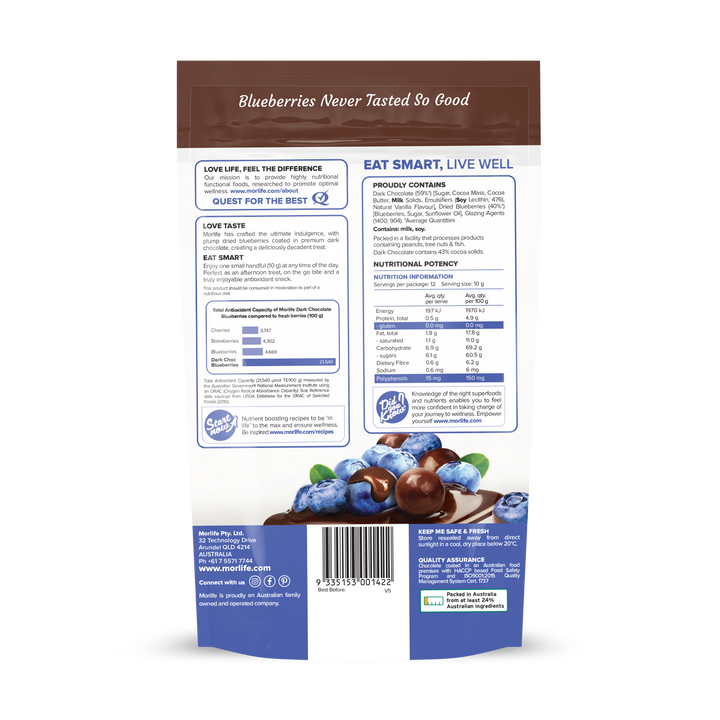
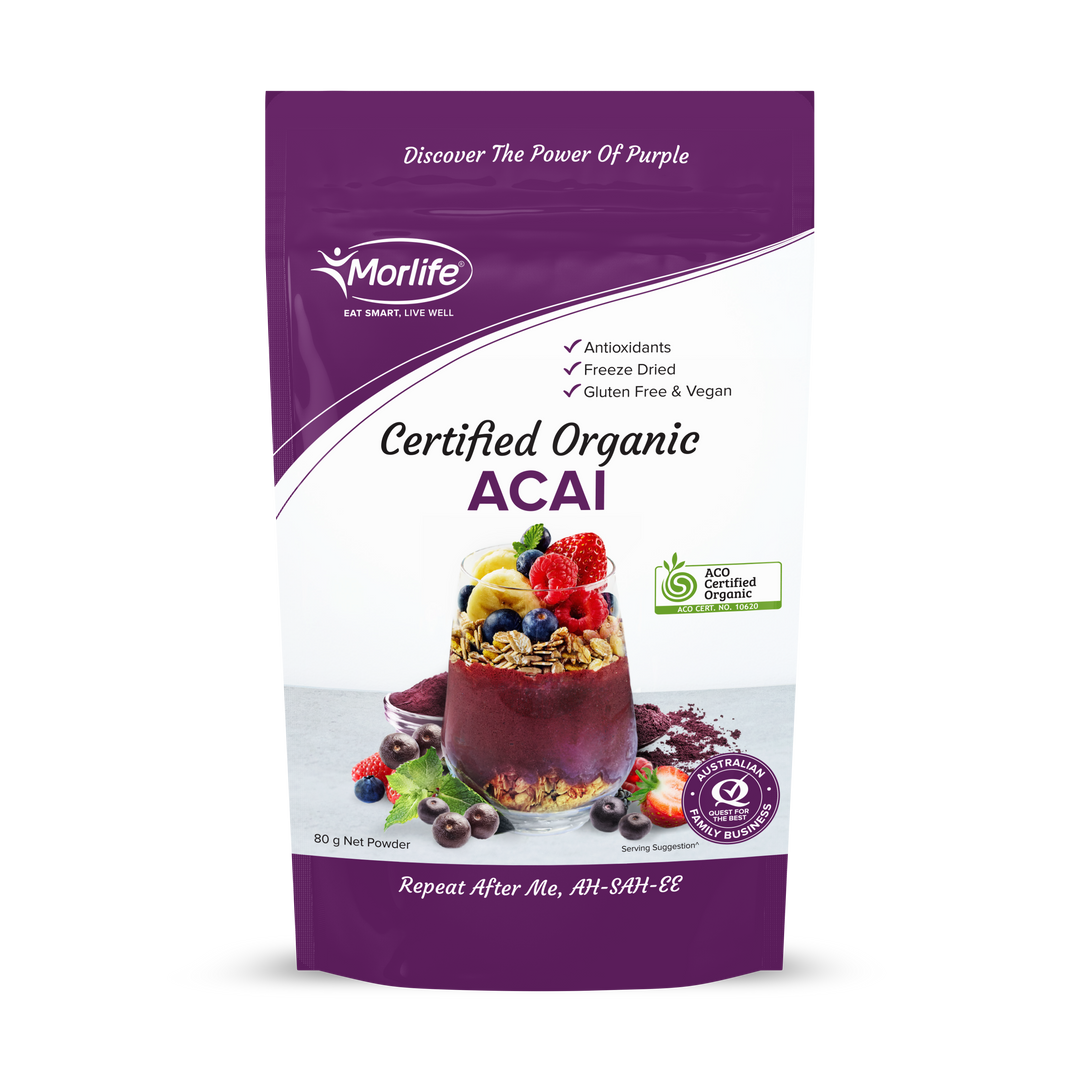
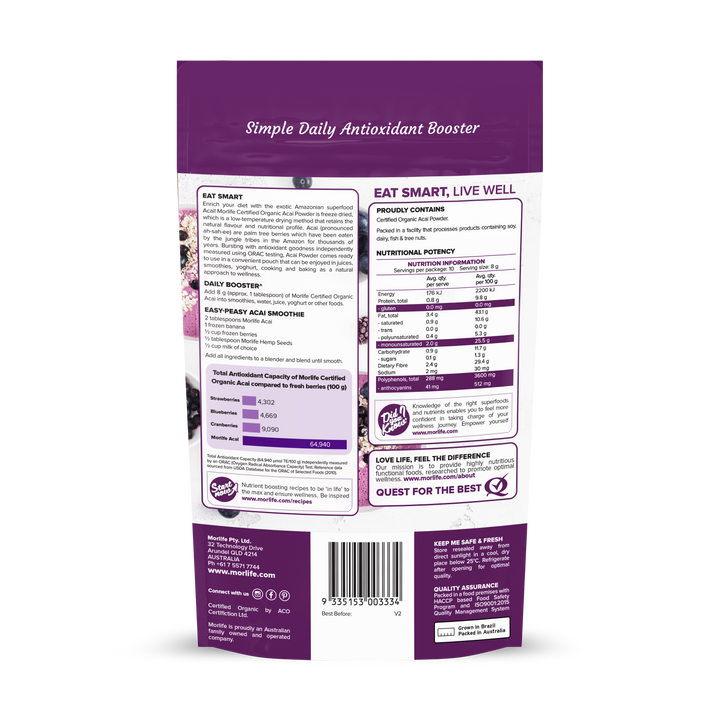
Some well researched antioxidant foods include berries (acai, blueberry, goji are the highest), chocolate, coffee, fruits and dark green vegetables. You can look for an ORAC table on some food labels which will show you a measurement analysis of the antioxidant capacity of the food or product. The higher the ORAC score of the food the more beneficial it is believed to be for fighting free radicals. ORAC stands for “Oxygen Radical Absorbance Capacity”, an Australian government standard for measuring antioxidant capacity.

Eating an abundance of different brightly coloured fresh fruit and vegetables instead of highly processed nutrient poor foods could be the most important decision you make towards long-term wellness. It is not sufficient for long-term health to eat poorly and supplement with a multivitamin

The true key is a wholesome, fresh diet containing a vast array of antioxidant rich fruits and vegetables. However, when you are unsure if you have eaten enough antioxidant foods to fulfil your daily requirements, it may be beneficial to supplement with a functional food supplement containing a range of antioxidants to ensure that you are getting the antioxidant protection you need.


The key points to remember why Antioxidants are important for our health:

  • Can boost energy
  • Can reverse the aging process
  • Can slow down or prevent oxidative stress that is caused by free radicals
  • May enhance the immune system
  • Important to fight against diseases


Disclaimer: The information contained in this article is based on published nutritional research.  It is in no way designed to diagnose or treat specific medical conditions.  If you suffer from any chronic health problem; take prescription medication, develop any health concern, please speak to your health professional.  If symptoms persist, please see your health professional.